Natural Ways to Relieve Neuropathy Pain: A Complete Guide

When I was diagnosed with diabetic neuropathy at 50, my doctor handed me a prescription for gabapentin and sent me home. That was it. No real talk about lifestyle, no guidance on what I could actually do myself. I left that office feeling like my nerves were doomed.
So I did what any stubborn former science teacher would do. I started reading. I read clinical trials, systematic reviews, Cochrane summaries, and PubMed abstracts until my eyes hurt. Then I started experimenting on myself.
Over four years, I tried almost every natural approach you can think of. Some changed my life. Some drained my wallet and did nothing. A few were borderline dangerous and I wish I’d known better.
This guide is the honest filter I wish I’d had back then. Only approaches with real clinical evidence made the cut. I’ll tell you what works, what kind of works, and what to skip entirely.
I’m not a doctor. I’m a guy with neuropathy who reads a lot of science. Please work with your physician on anything here.
Key Takeaways
- Exercise is the single most powerful natural intervention — a 2017 RCT showed 16 weeks of aerobic exercise actually increased nerve fiber density in neuropathy patients.
- A Mediterranean-style anti-inflammatory diet was linked to 23% lower neuropathy risk in a 2020 Neurology study.
- Alpha lipoic acid (ALA) at 600mg/day has the strongest supplement evidence — a 2012 meta-analysis of 1,258 patients found meaningful symptom reduction.
- B12 (methylcobalamin) and B1 (benfotiamine) support myelin repair and block glycation damage, especially important for metformin users.
- Natural approaches take 3-6 months to show measurable results — patience is part of the protocol.
Why Natural Approaches Matter for Neuropathy
Prescription medications for neuropathy — gabapentin, pregabalin, duloxetine — manage symptoms. They don’t fix nerve damage. They quiet the pain signal but they don’t rebuild what’s been lost.

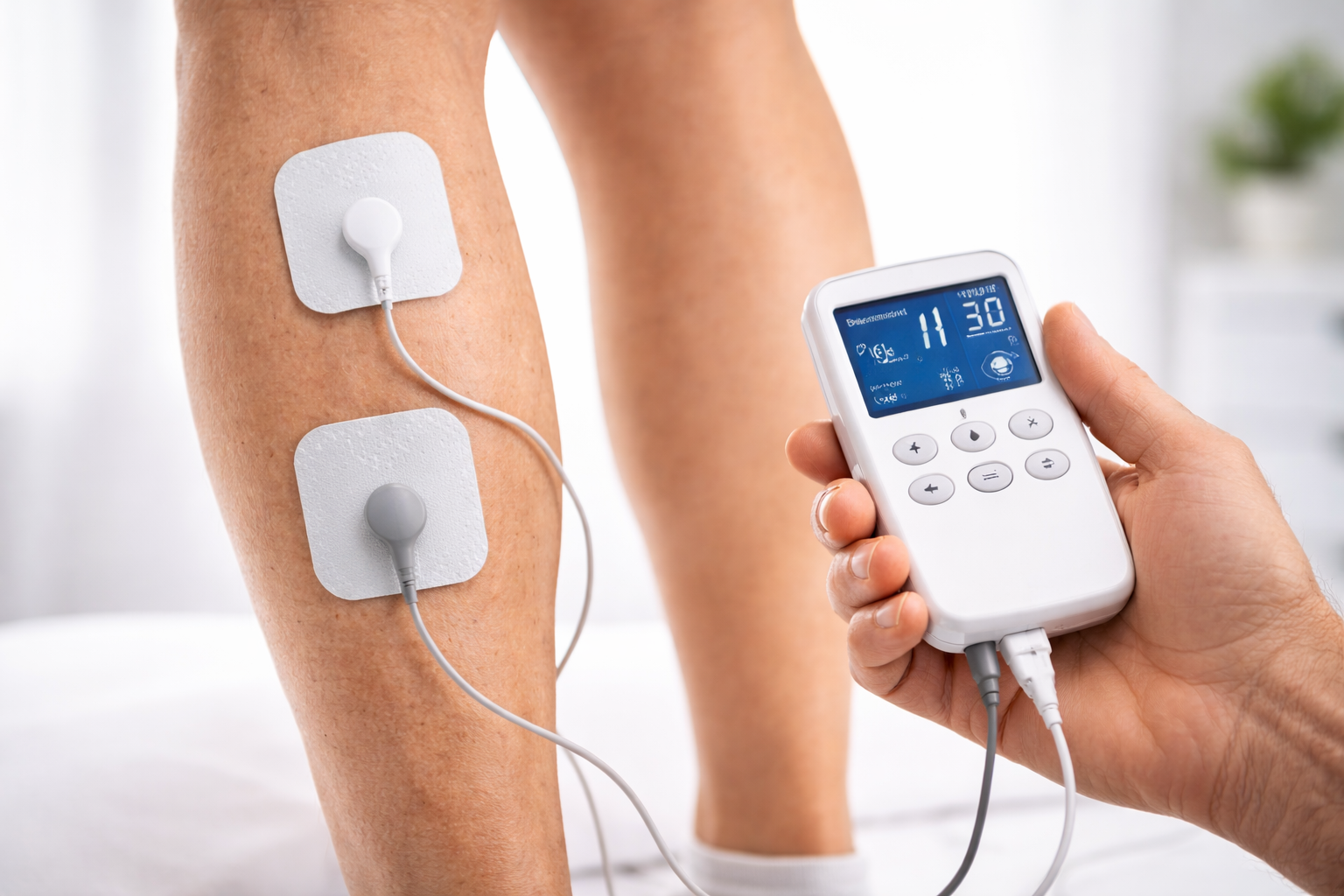
That’s not a criticism. Those drugs help many people sleep through the night and function during the day. But if all you do is take a pill, you’re not addressing the underlying process that caused the damage in the first place.
Natural approaches work differently. They target the root causes: inflammation, poor circulation, oxidative stress, nutrient deficiencies, and blood sugar dysregulation. The Foundation for Peripheral Neuropathy and the National Institute of Neurological Disorders and Stroke (NINDS) both emphasize that lifestyle interventions are a cornerstone of long-term management.
The smartest approach isn’t natural versus medical. It’s both. Natural strategies slow progression, reduce symptoms, and improve quality of life. Medical care controls acute pain and monitors complications.
If you want the foundation first, start with what is peripheral neuropathy and the causes of neuropathy. Knowing the mechanism makes everything below make sense.
Exercise — The Most Powerful Natural Intervention
If I could only keep one thing from this whole list, it would be exercise. No supplement, no cream, no therapy comes close.
A 2017 randomized controlled trial published in the Journal of Diabetes Investigation followed patients with diabetic peripheral neuropathy through 16 weeks of supervised aerobic exercise. The researchers did skin biopsies before and after. The result was stunning: intraepidermal nerve fiber density actually increased. That’s direct evidence of nerve regrowth, not just symptom management.
Read that again. Exercise grew nerves back.
What kind of exercise works
Aerobic exercise is the star of the show. Walking is the easiest entry point. Swimming is kind to sore feet. Cycling, especially stationary cycling, is excellent if balance is an issue.
Balance work matters because neuropathy strips away proprioception. Yoga and tai chi train your other senses to compensate and reduce fall risk. Tai chi in particular has held up in multiple small trials for neuropathy patients.
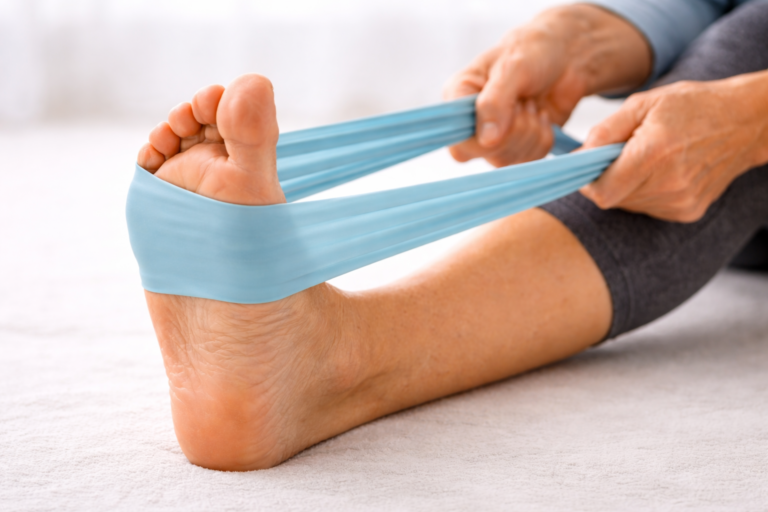
Resistance training preserves muscle mass, which becomes critical as neuropathy progresses. Twice a week is plenty. Bodyweight, bands, or light dumbbells all work.
My practical protocol
I aim for 30-45 minutes, 4-5 times per week. Three of those are brisk walking, one is stationary cycling, and one is either yoga or light strength work.
A few rules I had to learn the hard way:
- Proper footwear is non-negotiable. Cushioned, well-fitting shoes with no pressure points. I replace mine every 350-400 miles.
- Daily foot inspection. I check for blisters, cuts, or redness every single night. When you can’t feel well, your eyes have to do the work.
- Start where you are. My first week I could only walk 10 minutes. That was fine. Progress is progress.
If you need specific routines, I’ll be publishing a detailed guide on best exercises for neuropathy in feet soon.
Anti-Inflammatory Diet for Nerve Health
Food moves the needle. I was skeptical until I dropped 18 pounds, cut my HbA1c from 7.8 to 6.4, and watched my nighttime burning cut in half.
A 2020 study in Neurology followed over 1,400 adults and found that adherence to a Mediterranean-style diet was associated with a 23% lower risk of peripheral neuropathy. That’s one of the largest effect sizes you’ll find for any dietary pattern in neurology research.
Eat more of these
- Fatty fish — salmon, sardines, mackerel. Omega-3s reduce neural inflammation.
- Leafy greens — spinach, kale, arugula. Folate, magnesium, antioxidants.
- Berries — blueberries, strawberries, blackberries. Polyphenols that protect nerve tissue.
- Walnuts — alpha-linolenic acid, a plant omega-3 with specific nerve-protective properties.
- Turmeric — curcumin has anti-inflammatory and neuroprotective effects in multiple trials.
- Extra virgin olive oil — the core fat of the Mediterranean pattern.
Reduce these
- Added sugar — drives glycation, the process that damages nerves in diabetics.
- Refined carbs — white bread, pastries, most breakfast cereals spike glucose fast.
- Alcohol — a direct neurotoxin. More on this below.
- Ultra-processed foods — pro-inflammatory seed oils, emulsifiers, preservatives.
The blood sugar connection
Every single point of HbA1c reduction matters. The DCCT trial established decades ago that tighter glucose control reduces neuropathy progression. You don’t need perfect. You need consistent improvement.
I watch my fasting glucose every morning and do a full lipid panel every six months. Numbers keep me honest.
A complete diet breakdown is coming soon in my diet for neuropathy article.
Alpha Lipoic Acid — The Best-Supported Supplement
Of every supplement I’ve tried, alpha lipoic acid (ALA) has the strongest evidence. It’s not even close.
A 2012 meta-analysis published in Diabetic Medicine pooled four randomized controlled trials with 1,258 patients and found significant improvement in neuropathic symptoms with ALA compared to placebo. Symptoms like burning, stabbing, and numbness all improved measurably.
How it works
ALA is a powerful antioxidant that works in both water-soluble and fat-soluble environments. That matters because nerves have both compartments. It also regenerates other antioxidants like vitamin C, vitamin E, and glutathione. In diabetic neuropathy specifically, it improves microcirculation and reduces oxidative stress around nerve fibers.
My protocol
- Dose: 600mg per day
- Form: R-ALA (the natural isomer) is more bioavailable than the racemic mix
- Timing: Empty stomach, 30 minutes before a meal
- Monitor: Blood sugar, because ALA can lower glucose modestly. Diabetics on meds need to watch for lows.
Most studies used either 600mg oral or IV infusion. Oral works but takes 3-6 months to show results. I noticed changes around week 10.
I’ll be publishing a full ALA deep-dive soon. If you want a combination formula that already includes ALA along with B vitamins and other nerve-supportive ingredients, take a look at my honest Arialief review. I’ve tested it personally and wrote up both the pros and the cons.
B Vitamins — Essential for Nerve Repair
Your nerves can’t rebuild their myelin sheath without B vitamins. This isn’t debatable. It’s basic biochemistry.
The three that matter most
Methylcobalamin (B12) is the active form of B12 that directly supports myelin repair. Cyanocobalamin, the cheap form in most multivitamins, has to be converted and is far less effective for neuropathy.
Benfotiamine (B1) is a fat-soluble form of thiamine that crosses cell membranes far better than regular thiamine. Its superpower is blocking the glycation pathway — the process where sugar molecules gum up proteins in your nerves. German clinical trials have used it for diabetic neuropathy for decades.
Pyridoxal-5-phosphate (B6) is the active form of B6. Important warning: high-dose regular B6 (pyridoxine HCl) can actually cause neuropathy. Stick to the active form and stay under 50mg/day unless a physician tells you otherwise.
Who needs this most
A 2022 meta-analysis in Nutrients showed that combined B vitamin therapy outperformed any single B vitamin in neuropathy outcomes. The three work together.
Pay extra attention if you:
- Take metformin. It depletes B12 over time. Anyone on metformin for more than a year should have B12 levels checked.
- Are over 50. Absorption drops with age.
- Follow a plant-based diet. B12 is nearly absent from plant foods.
- Drink alcohol regularly. Alcohol impairs B1 absorption and utilization.
Warm and Cold Therapy for Symptom Relief
This is the cheapest intervention on the list and it works for symptom control, not for nerve repair. Use it right and it becomes a daily tool.
Warm baths cause vasodilation. Blood flow to the feet increases, muscles relax, and the pain signal dials down for a while. Fifteen to twenty minutes at 98-102°F is my sweet spot. I do this three nights a week.
Cold packs reduce inflammation and numb acute pain spikes. I use them after long walks or flare-up days. 10-15 minutes with a cloth barrier.
Contrast therapy alternates warm and cold in cycles of 3-4 minutes each. Some people swear by it for circulation. Others find it irritating. Try it and see.
A serious safety warning
Neuropathy can impair your ability to feel temperature. I have scalded myself twice because the water felt “warm” when it was actually too hot. Always test water with an unaffected body part first, or use a thermometer. Second-degree burns are a real risk.
I’ll be publishing a dedicated hot and cold therapy for neuropathy guide soon.
Capsaicin Cream — Topical Relief
Capsaicin is the molecule that makes chili peppers hot. When applied to skin, it depletes substance P, the neurotransmitter that carries pain signals from peripheral nerves to the brain. Empty the pain transmitter and the pain signal weakens.
A 2010 Cochrane review concluded that high-concentration capsaicin (8%) produced clinically meaningful pain relief in several types of peripheral neuropathic pain. Over-the-counter creams at 0.025% to 0.075% are weaker but still helpful for many people.
How to use it
Apply a thin layer 3-4 times daily to the painful area. Wear gloves or wash hands thoroughly after. Never touch your eyes or mucous membranes. It burns for the first 1-2 weeks of use and then settles into tolerance.
Capsaicin works best for surface-level burning and stinging. It’s less effective for deep aching or shooting pain. For severe cases, a prescription 8% patch called Qutenza delivers a single high-dose treatment that can last up to 3 months.
Acupuncture — Growing Evidence
I was a skeptic. I’m less of one now.
A 2017 systematic review of acupuncture for neuropathic pain found meaningful improvement compared to sham control. It’s not a cure. It’s a symptom management tool with a better safety profile than most medications.
What to expect
Plan for 6-10 sessions before judging results. Effects are cumulative. Find a licensed acupuncturist with specific experience in neuropathy. Ask how many neuropathy patients they’ve treated. Good practitioners will tell you honestly whether they can help.
Sessions run 45-60 minutes. Needles are hair-thin and mostly painless. Insurance coverage varies but is expanding.
I do a course of 8 sessions every spring and fall. It holds my baseline pain lower for months afterward.
Lifestyle Factors That Accelerate Nerve Damage
You can take every supplement on Earth and still lose ground if these four factors are unchecked.
Alcohol is a direct peripheral nerve toxin. It damages nerves through multiple mechanisms: direct toxicity, B1 depletion, and nutritional displacement. If you have neuropathy, cut it hard. I went from 4-5 drinks a week to maybe one drink a month.
Smoking constricts blood vessels and reduces oxygen delivery to peripheral nerves that are already starving. Quitting is the single biggest favor a smoker with neuropathy can do for themselves.
Tight shoes create pressure points on nerves that can’t feel the damage accumulating. I went up a half size and only buy shoes with roomy toe boxes.
Sleep deprivation sensitizes the nervous system and makes pain worse. A 2021 Pain Medicine study found that 72% of neuropathy patients report nighttime pain as their most disruptive symptom. Protecting sleep is protecting your nerves. Cool room, dark room, consistent schedule.
What Does NOT Work
Being honest here builds trust. Skip the following:
- Essential oils as primary treatment. No clinical trial evidence for nerve repair. Maybe nice for relaxation, not therapy.
- “Reverse neuropathy in 30 days” programs. Real repair takes 3-6 months minimum. Anyone promising faster is selling hype.
- CBD as a cure. Modest evidence for some pain relief, zero evidence for nerve regeneration.
- Expensive “neuropathy foot massagers” marketed as treatment. Comfortable, sure. Therapeutic, no.
The honest question to ask: “What specific randomized trial supports this?” If the seller can’t answer, walk away.
When to See a Doctor
Natural approaches supplement medical care. They don’t replace it. See a physician immediately if you experience:
- Sudden worsening of numbness or weakness
- Loss of bladder or bowel control
- Signs of infection on the feet (redness, swelling, drainage, fever)
- A foot wound that isn’t healing within a few days
- Chest pain, shortness of breath, or irregular heartbeat (autonomic neuropathy can affect the heart)
Also see a doctor if you’re experiencing new symptoms of neuropathy that you haven’t had evaluated. Diagnosis first. Self-treatment second.

Frequently Asked Questions
Can neuropathy be cured naturally?
No, there is currently no cure for peripheral neuropathy, natural or otherwise. However, symptoms can improve significantly with consistent lifestyle interventions, and in some cases nerve function can partially recover. The 2017 RCT showing increased nerve fiber density after 16 weeks of aerobic exercise is the strongest evidence that natural approaches can actually promote nerve regrowth, not just mask pain. Read more about reversing neuropathy naturally.
How long do natural remedies take to work?
Plan for 3-6 months of consistent effort before judging results. Alpha lipoic acid studies typically show effects around the 3-month mark. Exercise studies use 12-16 week protocols. Dietary changes take a similar timeframe to produce measurable nerve benefits. Anyone who tells you they fixed neuropathy in weeks is either exaggerating or wasn’t actually diagnosed.
Is walking good for neuropathy?
Yes, and it’s arguably the single best thing you can do. The 2017 Journal of Diabetes Investigation RCT used aerobic exercise (primarily walking) and documented actual nerve fiber regrowth through skin biopsies. Start with 10-15 minutes daily in supportive shoes and build up to 30-45 minutes 4-5 times per week.
What vitamins help neuropathy most?
The top three with the strongest evidence are B12 as methylcobalamin (myelin repair), B1 as benfotiamine (blocks glycation damage), and alpha lipoic acid (antioxidant and circulation support). B6 in its active form (P5P) also helps, but avoid high-dose pyridoxine HCl which can cause neuropathy itself.
Can diet alone reverse neuropathy?
No, diet alone won’t reverse established nerve damage. However, a Mediterranean-style anti-inflammatory diet was linked to a 23% lower risk of developing neuropathy in a 2020 Neurology study. For people who already have neuropathy, diet is a powerful supporting intervention that works best when combined with exercise, key supplements, and blood sugar management.
Putting It All Together
If you do nothing else from this guide, do these four things:
- Walk 30 minutes a day, five days a week.
- Eat a Mediterranean-style diet.
- Take 600mg R-ALA daily, on an empty stomach.
- Supplement B12 (methylcobalamin) and B1 (benfotiamine).
That stack is where 80% of the benefit lives. Everything else is optimization.
If you want a convenient combination supplement that includes alpha lipoic acid, B vitamins, and other nerve-supportive ingredients in a single formula, read my full Arialief review. I tested it for 90 days and wrote up both what worked and what didn’t.
For more foundational reading, start with peripheral neuropathy and reversing neuropathy naturally.
Natural doesn’t mean weak. It means working with your body’s repair systems instead of just muting the alarm. It takes patience. It takes consistency. And based on four years of living this protocol, I can tell you it’s worth every bit of the effort.
Medical Disclaimer: This article is for informational purposes only and is not medical advice. I am not a doctor. The information here reflects my personal experience living with diabetic neuropathy and my research into published clinical literature. Always consult with a qualified healthcare provider before starting any new supplement, exercise program, or treatment. Never discontinue prescribed medication without medical supervision. Individual results vary. Some links in this article are affiliate links, meaning I may earn a small commission at no additional cost to you if you make a purchase. I only recommend products I have personally used or researched thoroughly.