Best Diet for Peripheral Neuropathy: What to Eat and Avoid
When I got my diagnosis, my neurologist spent about forty minutes explaining peripheral neuropathy to me. He talked about nerve damage, blood sugar control, and medication options. What he didn’t spend much time on was food.
That frustrated me. I was a science teacher for 26 years. I understand how the body works. And I knew, even sitting in that exam room, that what I put in my mouth three times a day had to matter.
So I went home and started reading — research papers, clinical studies, dietary trials. Over the next eight months, I overhauled almost everything I ate. The burning in my feet didn’t disappear overnight, but it improved. My blood sugar stabilized. My energy came back. My neurologist noticed the change in my nerve conduction results at my next visit.
I’m not going to promise you a miracle. Diet isn’t a cure for neuropathy. But for me, and for a growing body of research, it’s one of the most powerful tools we have. Here’s what I learned.
Key Takeaways
- Chronic inflammation and oxidative stress accelerate nerve damage — diet directly affects both.
- The best foods for neuropathy are anti-inflammatory, rich in B vitamins, and support stable blood sugar.
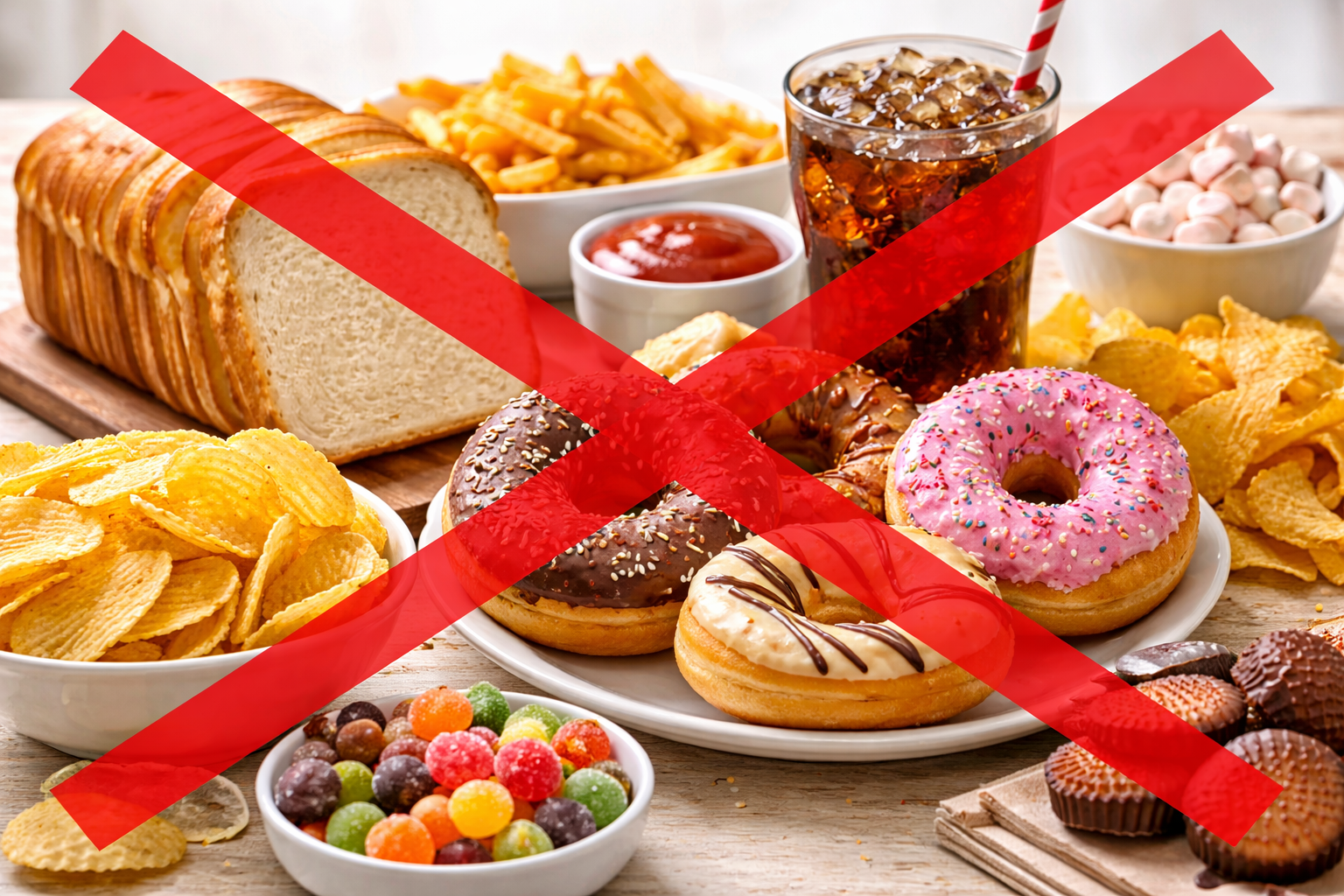
- Sugar, alcohol, and processed foods are the biggest dietary threats to nerve health.
- A Mediterranean-style eating pattern has the strongest evidence base for neuropathy management.
- Diet works best as part of a broader approach that includes movement, natural ways to relieve neuropathy pain, and targeted supplements for neuropathy.
How Diet Affects Nerve Health: The Science
Oxidative stress damages the myelin sheath that insulates your nerves, slowing or distorting signal transmission. Antioxidant-rich foods help neutralize the free radicals responsible.
Chronic inflammation damages small blood vessels that supply nerves, cutting off the oxygen and nutrients those nerves depend on. Anti-inflammatory eating patterns reduce inflammatory markers like CRP and IL-6.
B vitamin deficiencies — especially B1 (thiamine), B6, and B12 — directly impair nerve function. A 2019 review in Nutrients confirmed that B-vitamin adequacy is essential for myelin synthesis and nerve repair.
Blood sugar dysregulation causes glycation — sugar molecules binding to proteins and damaging nerve tissue over time. Stable blood glucose is protective. Diet addresses all four of these pathways simultaneously.
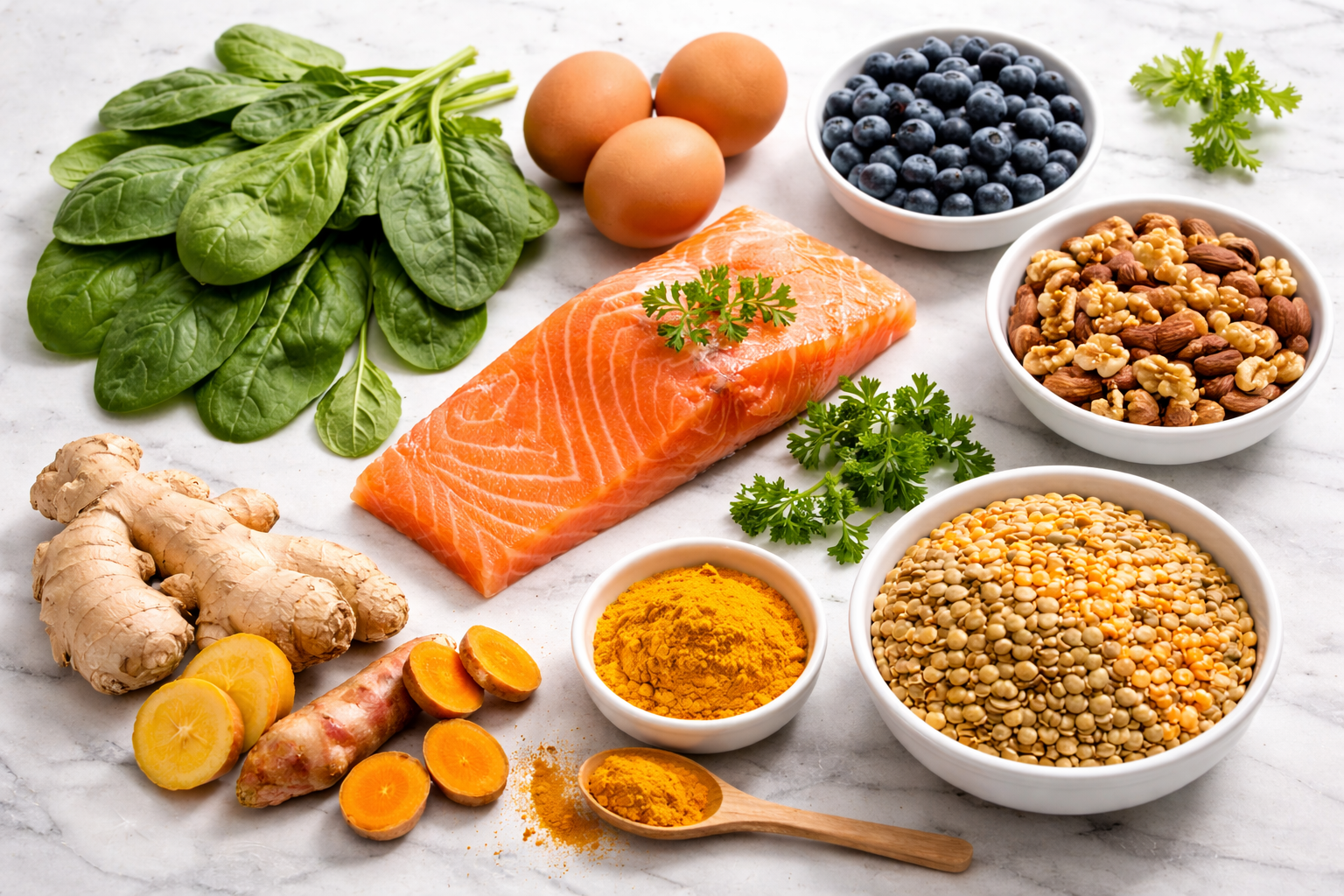
8 Best Foods for Peripheral Neuropathy
1. Fatty Fish
Salmon, sardines, mackerel, and herring deliver omega-3 fatty acids (EPA and DHA) in their most bioavailable form. Omega-3s reduce neuroinflammation, support the structural integrity of nerve cell membranes, and may promote nerve regeneration. A 2017 study in the Journal of Neurochemistry found that DHA reduced neuropathic pain and supported axonal repair in models of nerve injury.
I eat salmon twice a week. On other days, sardines in a salad. How to eat it: Baked, grilled, or canned. Avoid deep-frying — it negates the anti-inflammatory benefit.
2. Leafy Green Vegetables
Spinach, kale, Swiss chard, and collard greens deliver folate (B9), magnesium, alpha-lipoic acid, and antioxidants. Low folate levels have been linked to elevated homocysteine — an amino acid toxic to nerve cells at high levels. I keep pre-washed spinach in the fridge at all times. How to eat it: Raw in salads, lightly steamed, or sautéed in olive oil.
3. Eggs
Eggs are one of the best dietary sources of vitamin B12 — one large egg delivers about 0.6 mcg (roughly 25% of daily value), along with choline critical for nerve cell membrane integrity. Research in Neurology (2019) confirmed that even mild B12 insufficiency correlates with worsening neuropathy symptoms in older adults. How to eat them: Scrambled, poached, hard-boiled. Pair with leafy greens for added B-vitamin coverage.
4. Berries
Blueberries, strawberries, raspberries, and blackberries contain flavonoids — particularly anthocyanins — that exert direct neuroprotective effects. A 2020 study in Oxidative Medicine and Cellular Longevity demonstrated that blueberry extract reduced oxidative stress markers and improved nerve conduction velocity. How to eat them: Fresh or frozen with oatmeal, yogurt, or as a snack.
5. Nuts and Seeds
Almonds, walnuts, sunflower seeds, and flaxseeds are excellent sources of vitamin E and magnesium. Vitamin E protects nerve cell membranes from lipid peroxidation. A clinical trial in Free Radical Biology and Medicine found that vitamin E supplementation slowed nerve conduction deterioration in diabetic neuropathy patients. How to eat them: A small handful (1 oz) daily; sprinkle flaxseeds on yogurt or oatmeal.
6. Whole Grains
Oats, brown rice, quinoa, and whole wheat deliver B vitamins (especially thiamine/B1), fiber, and complex carbohydrates that digest slowly — which means a gentler rise in blood sugar. Thiamine deficiency is a direct cause of peripheral neuropathy. The fiber in whole grains also feeds gut bacteria that produce anti-inflammatory short-chain fatty acids. How to eat them: Swap white rice for brown or wild; choose steel-cut oats.
7. Legumes
Beans, lentils, chickpeas, and peas are rich in B vitamins, high in fiber, and deliver plant-based protein. Their real superpower is glycemic management — a meta-analysis in Diabetologia confirmed that replacing refined carbohydrates with legumes significantly improved long-term blood glucose control. How to eat them: Canned beans (rinsed) are convenient; lentils cook in 20 minutes with no soaking.
8. Turmeric and Ginger
Curcumin (in turmeric) inhibits NF-kB — a key switch in the inflammatory cascade. A small randomized trial in Phytotherapy Research (2014) found meaningful pain reduction in diabetic neuropathy patients. Ginger contains gingerols with similar anti-inflammatory mechanisms. I add turmeric to eggs and soups; ginger tea most mornings. Bioavailability of curcumin improves significantly with a pinch of black pepper.
Foods to Avoid With Peripheral Neuropathy
1. Sugar and Refined Carbohydrates
The most important category to minimize. Refined sugars and simple carbs spike blood glucose rapidly, accelerating advanced glycation end-product (AGE) formation — the process by which sugar molecules bind to proteins and damage nerve tissue. A 2015 study in Diabetes Care found a direct correlation between AGE levels and neuropathy severity. Cutting added sugars was the hardest part of my dietary overhaul. It took about three weeks before the cravings leveled off.
2. Alcohol
Alcohol is directly neurotoxic and depletes thiamine (B1) and B12, creating a double hit on nerve health. If you already have neuropathy, alcohol accelerates damage. I stopped completely after my diagnosis.
3. Processed and Fried Foods
Ultra-processed foods are typically high in trans fats, omega-6 fatty acids, sodium, and AGEs (especially when fried). The typical Western diet delivers an omega-6 to omega-3 ratio of 15:1 or higher. Research suggests the ideal anti-inflammatory ratio is closer to 4:1. Cutting processed foods and increasing fatty fish is the fastest way to shift that ratio.
4. Gluten (For Those With Gluten Neuropathy)
Gluten neuropathy is a distinct condition caused by immune-mediated nerve damage triggered by gluten — the protein in wheat, barley, and rye. It can occur with or without celiac disease. If your neuropathy has no clear cause, asking your doctor to test for anti-gliadin antibodies is worthwhile.
The Anti-Inflammatory Mediterranean Approach
Rather than a rigid diet, the research consistently points toward one overall eating pattern: the Mediterranean diet. Built around vegetables, fruits, legumes, whole grains, fatty fish, olive oil, and nuts — with minimal red meat, processed food, and added sugar.
A 2021 systematic review in Nutrients found that adherence to a Mediterranean diet was associated with lower inflammatory markers (CRP, IL-6, TNF-alpha) and improved outcomes in multiple metabolic conditions. For neuropathy specifically, it hits every major therapeutic target: anti-inflammatory, stable blood sugar, B vitamins, and antioxidant protection. I don’t follow it perfectly. Nobody does. But it gives me a framework for real decisions.
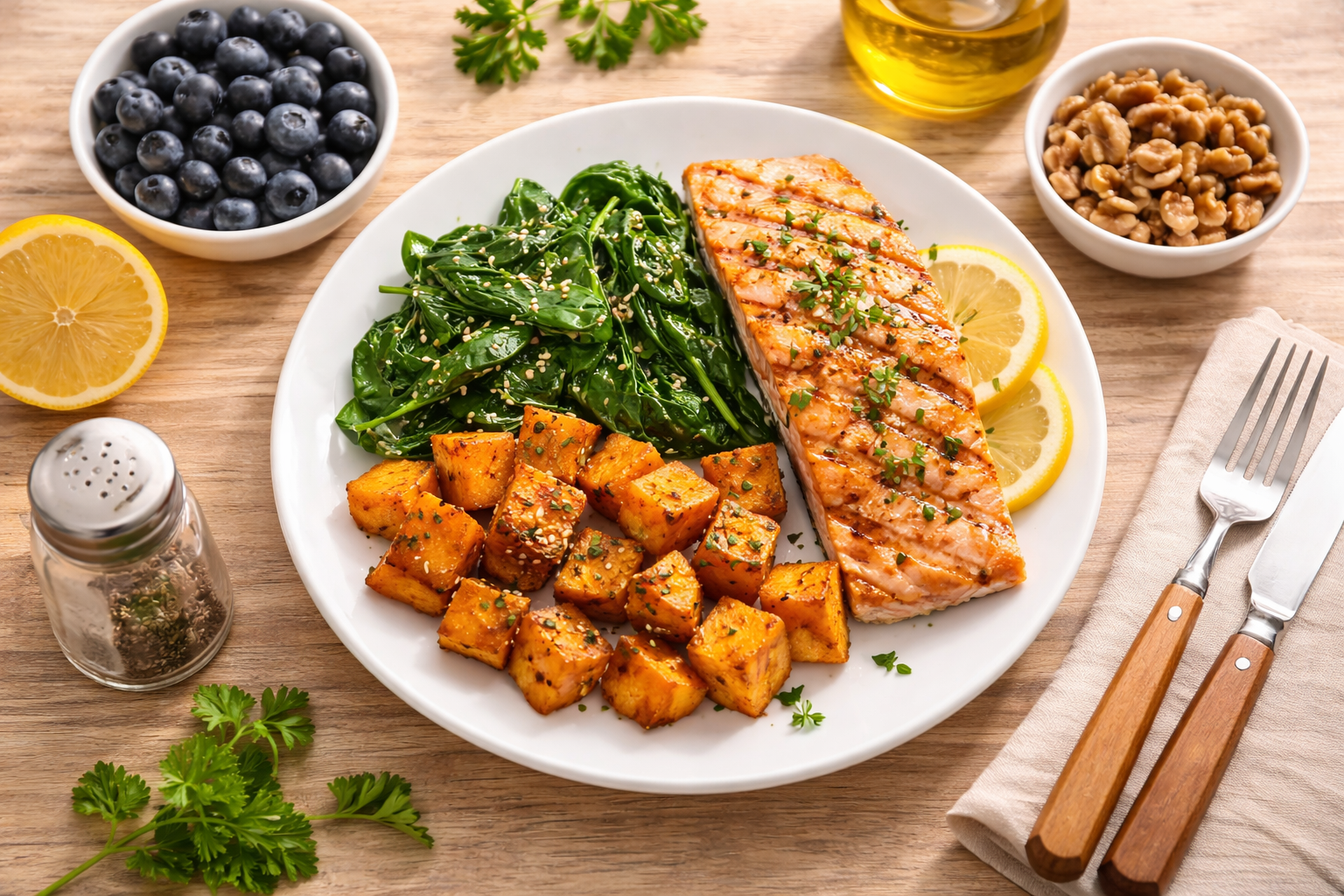
Sample Meal Plan for Neuropathy
Breakfast: Scrambled eggs (2 whole eggs + 1 yolk) with sautéed spinach and a slice of whole-grain toast. Side: half a cup of blueberries.
Lunch: Lentil soup with a side salad (mixed greens, cherry tomatoes, olive oil and lemon dressing). A small handful of walnuts.
Dinner: Baked salmon with roasted sweet potato and steamed broccoli drizzled with olive oil. Turmeric sprinkled on the sweet potato.
Snack: Greek yogurt (plain, unsweetened) with a tablespoon of ground flaxseed and a few strawberries.
Frequently Asked Questions
Can diet alone reverse peripheral neuropathy?
Diet alone is unlikely to fully reverse established nerve damage, but it can slow progression, reduce symptoms, and in some cases support nerve recovery — particularly when the cause is nutritional deficiency or blood sugar dysregulation. For more on what’s possible, see our article on reversing neuropathy naturally.
How long before dietary changes affect neuropathy symptoms?
Most people don’t notice significant symptom changes for at least 8 to 12 weeks. Nerve tissue repairs slowly. Metabolic improvements (blood sugar, inflammation) show up earlier, which is a good sign that the changes are working.
Is a ketogenic diet good for neuropathy?
The evidence is early but promising, particularly for diabetic neuropathy. Reducing carbohydrates helps control blood glucose, and ketones may have neuroprotective properties. However, very low-carb diets can create B-vitamin gaps if not well-planned. Work with a registered dietitian if considering this approach.
Does vitamin B12 deficiency cause neuropathy?
Yes — B12 deficiency is one of the most common reversible causes. It’s particularly prevalent in older adults, vegetarians, and people taking metformin long-term. Request both a serum B12 test and methylmalonic acid (MMA) test. A serum B12 below 300 pg/mL warrants attention even if it’s within the lab’s “normal” range.
What’s the single most important dietary change for neuropathy?
If I had to pick one: eliminate added sugars and refined carbohydrates. For most people on a typical Western diet, this creates the largest and fastest positive shift in blood sugar control and inflammation — the two biggest dietary drivers of neuropathy progression.
Conclusion
The foods that help — fatty fish, leafy greens, eggs, berries, nuts, whole grains, legumes — aren’t exotic or expensive. The foods that hurt — sugar, alcohol, processed food — are the ones most of us already know we shouldn’t be eating. The research just gives you better reasons to actually stop.
Diet isn’t a standalone solution. I combine it with regular walking, natural ways to relieve neuropathy pain, and targeted supplements for neuropathy under my doctor’s guidance. But food is the foundation — the thing I have control over three times every day.
Medical Disclaimer: This article is for informational purposes only and does not constitute medical advice. Always consult with a qualified healthcare provider before making significant dietary changes, especially if you have diabetes, kidney disease, or take medications that may be affected by diet. Individual results vary.
Speaking of supplements — alongside my dietary changes, I also take a combination formula that hits the major evidence-based ingredients at clinical doses: 600mg ALA, methylcobalamin B12, and benfotiamine. I tested Arialief for 60 days and documented the results week by week. If you’re considering adding a supplement to your dietary approach, my full Arialief review is the honest account of what happened — what improved, what didn’t, and who I’d actually recommend it to.