Can Peripheral Neuropathy Be Reversed Naturally? What the Research Shows

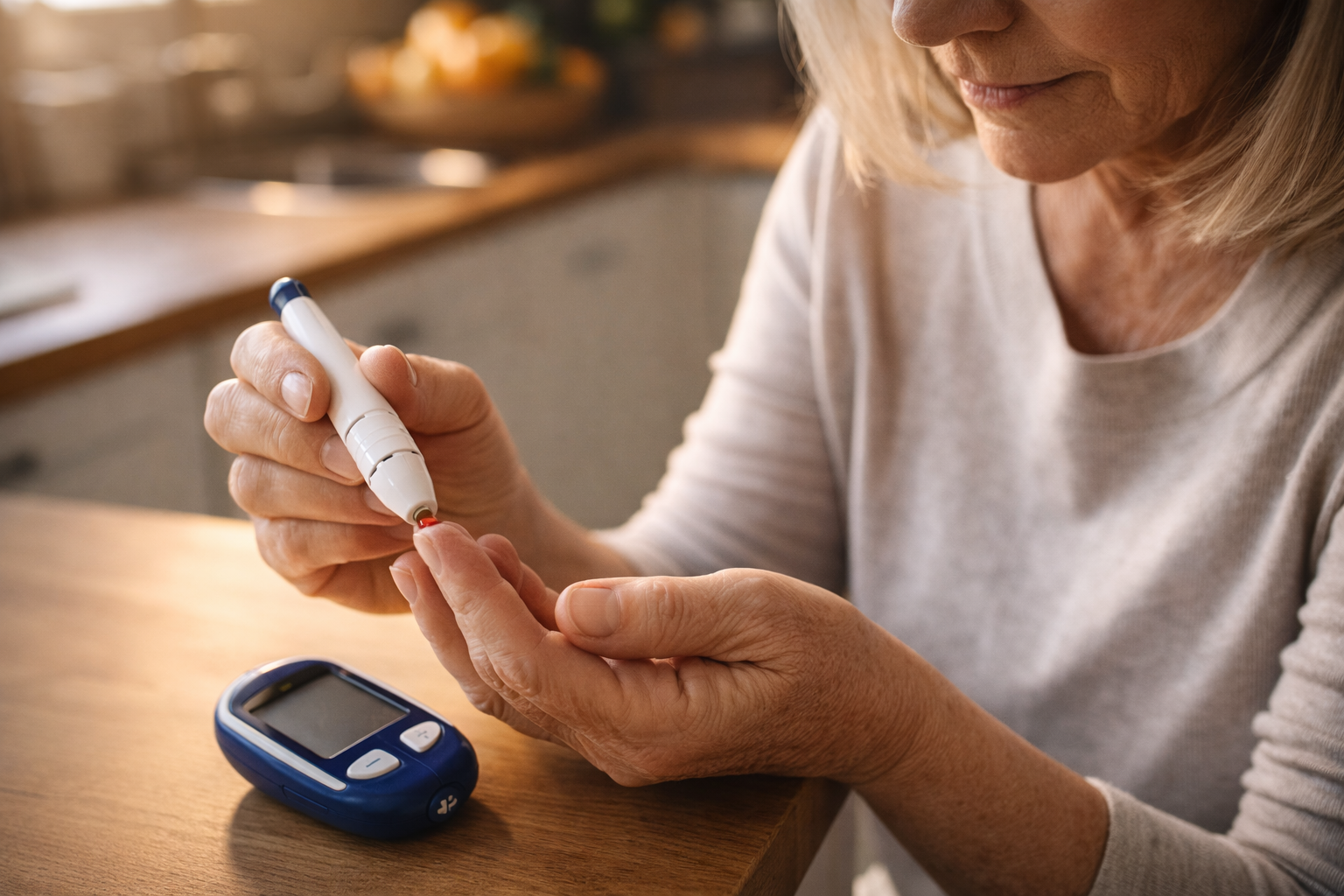
Four years after my diagnosis, my neurologist said something I did not expect. My nerve conduction scores had improved. I had not taken any prescription nerve medications. I had made significant changes to my diet, blood sugar management, supplement regimen, and exercise routine. Something had shifted — not a cure, but measurable improvement on objective tests.
I want to be honest about what is possible and what is not. There is a lot of misleading information out there — both the cynical dismissal from some doctors, and the unrealistic cure-in-30-days promises from supplement companies. The truth is more nuanced and, I think, more hopeful.
Key Takeaways
Full reversal of established peripheral neuropathy is rare — but slowing progression, reducing symptoms, and partial recovery are achievable for many people.
The root cause matters enormously: B12-deficiency and early diabetic neuropathy show the best reversal potential.
Blood sugar control remains the single most evidence-based intervention for diabetic neuropathy.
Exercise, alpha lipoic acid, B vitamins, and anti-inflammatory diet all have meaningful clinical evidence behind them.
A Realistic Framework for “Reversal”
When people ask if neuropathy can be reversed, they usually mean one of three things: can nerve damage be fully undone, can symptoms be reduced, or can further damage be stopped. The honest answers: sometimes, often, and almost always yes.
Full reversal of established neuropathy is unlikely in most cases — peripheral nerves regenerate slowly (about 1-2mm per day) and incompletely in most adults over 50. But symptom reduction and stopping progression are achievable for the majority of people who make meaningful lifestyle changes and address underlying causes. According to a 2023 review in Nature Reviews Neurology, neuroprotection — protecting existing nerves and their function — is now the primary treatment target in peripheral neuropathy management.
The Most Important Factor: Address the Root Cause
The single most powerful natural intervention for neuropathy recovery is fixing the underlying cause. For diabetic neuropathy, a landmark clinical trial (the DCCT trial, NEJM) showed that intensive glycemic control reduced neuropathy risk by 60% in type 1 diabetics. For B12-deficiency neuropathy, a 2020 study in Nutrients found significant improvement in nerve conduction velocity after 6 months of supplementation. For alcohol-induced neuropathy, a 2016 review in the Journal of Neurological Sciences found nerve function improved in 50-60% of patients who stopped drinking. No supplement or dietary change will produce the same results as fixing the root problem.
Blood Sugar Control: Non-Negotiable for Diabetic Neuropathy
Every percentage point reduction in HbA1c meaningfully reduces the rate of nerve damage. A 2021 meta-analysis in Diabetes and Metabolism found that people with diabetic neuropathy who achieved tight glycemic control (HbA1c below 7%) showed statistically significant improvement in nerve conduction velocity over 2-3 years compared to those with poorly controlled blood sugar. This requires optimizing medication, following a low-glycemic diet, regular physical activity, and consistent blood sugar monitoring.
Exercise: The Most Underrated Intervention
Exercise appears to directly support nerve regeneration. A 2017 randomized controlled trial in the Journal of Diabetes Investigation found that 16 weeks of aerobic exercise led to a significant increase in intraepidermal nerve fiber density — more nerve fibers per unit of skin area — in patients with diabetic peripheral neuropathy. This is direct evidence of nerve fiber regrowth, not just symptom relief. The mechanism involves upregulation of nerve growth factor (NGF) and BDNF in response to physical activity.
Recommended exercise: aerobic activity (walking, cycling, swimming) 30-45 minutes, 3-5 times per week; balance training (yoga, tai chi); and light resistance training. People with neuropathy should wear appropriate footwear and inspect feet daily if sensation is reduced.
Alpha Lipoic Acid: The Best-Supported Supplement
Alpha lipoic acid (ALA) has more clinical trial evidence behind it than any other supplement for neuropathy. A 2012 meta-analysis in Diabetic Medicine analyzed four randomized controlled trials involving 1,258 patients with diabetic neuropathy and found that ALA at 600mg/day significantly reduced pain, burning, and numbness compared to placebo. A 2021 Cochrane review found ALA to be the most consistently effective supplement across multiple trials.
Most trials use 600mg/day of R-ALA (the natural isomer, more bioavailable than synthetic S-ALA). Take on an empty stomach for better absorption. ALA can lower blood sugar, so monitor levels if you are on diabetes medications.
B Vitamins: Essential for Nerve Repair
Methylcobalamin (active B12) is essential for myelin formation — use this form rather than cyanocobalamin. Benfotiamine (fat-soluble B1) penetrates nerve tissue more effectively than standard thiamine; a 2008 randomized controlled trial in Diabetes Care found 300mg/day significantly reduced painful diabetic neuropathy symptoms. A 2022 meta-analysis in Nutrients found that combined B1/B6/B12 therapy produced greater symptom reduction than any single B vitamin alone. Caution: excess B6 above 200mg/day chronically can actually cause neuropathy.
Anti-Inflammatory Diet: Reducing Neuroinflammation
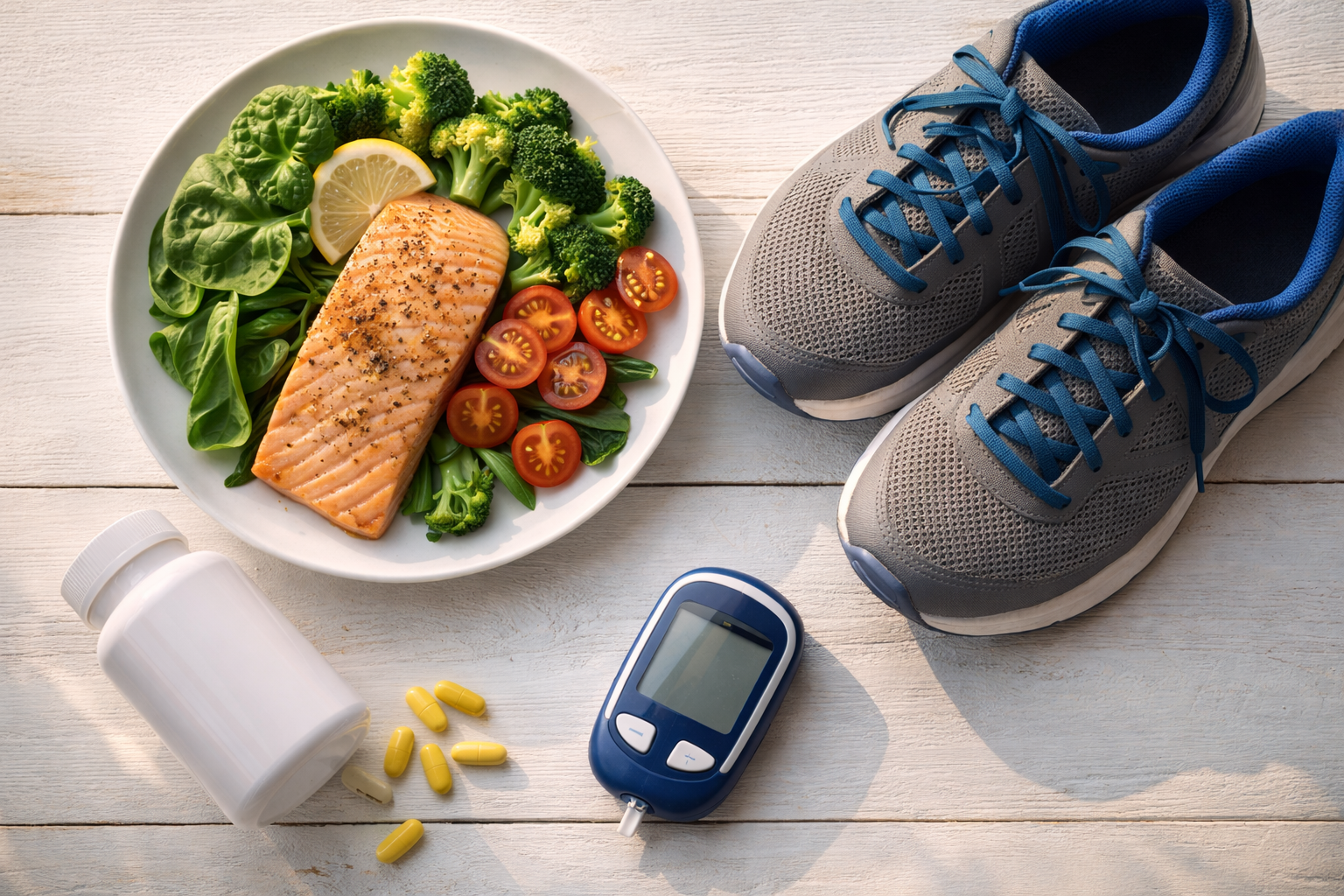
A 2020 study in Neurology found that adherence to a Mediterranean-style diet was associated with a 23% lower risk of developing peripheral neuropathy in a large prospective cohort. Eat more fatty fish (omega-3s reduce neuroinflammation), leafy greens (B vitamins and folate), berries (neuroprotective anthocyanins), and walnuts. Reduce or eliminate added sugars and refined carbohydrates, processed vegetable oils, alcohol, and ultra-processed foods.
Realistic Timeline and Expectations
If you commit to these interventions — blood sugar control, exercise, B vitamins, ALA, anti-inflammatory diet — what can you realistically expect? At 1-3 months: reduced inflammation and some symptom improvement. At 3-6 months: measurable changes in nerve function possible, especially with B12 repletion. At 6-12 months: nerve fiber regrowth detectable in some patients via skin biopsy. At 1-3 years: maximum observable recovery.
The earlier you start, the more you can recover. Neuropathy present less than 2 years responds better than long-standing cases. Even with established neuropathy, halting progression and improving symptoms is achievable for most people who commit to the work.
For a complete look at what neuropathy is and why it happens, read the Complete Guide to Peripheral Neuropathy. Also see our article on what causes neuropathy in feet and legs.

Frequently Asked Questions
Is it possible to fully reverse neuropathy?
Full reversal of established peripheral neuropathy is rare in adults. However, meaningful recovery is common when the underlying cause is treated — especially B12 deficiency, hypothyroidism, or early diabetic neuropathy. Partial regrowth of small nerve fibers has been documented in multiple clinical studies.
How long does it take to see improvement?
Natural interventions work slowly. Expect 3-6 months to notice symptom improvement and 12-24 months for measurable changes in nerve function on objective testing. Nerve fibers regenerate at approximately 1mm per day when conditions are optimal.
What is the best supplement for peripheral neuropathy?
Based on clinical trial evidence, alpha lipoic acid (ALA) at 600mg/day has the strongest evidence base for symptom reduction in diabetic neuropathy. Methylcobalamin (B12) is essential for any patient with deficiency. Benfotiamine (B1) has good evidence for diabetic neuropathy specifically.
Does walking help neuropathy?
Yes, consistently. A 2017 RCT showed that aerobic exercise including walking increased intraepidermal nerve fiber density in people with diabetic neuropathy. Walking also improves blood sugar control, reduces neuroinflammation, and improves balance. Aim for 30 minutes at least 4 days per week. Wear supportive footwear and inspect feet daily if sensation is reduced.
The Bottom Line
Can peripheral neuropathy be reversed naturally? It depends. If your neuropathy has a treatable root cause and you caught it early, meaningful recovery is possible. If you have established neuropathy that has been progressing for years, full reversal is unlikely — but slowing progression, reducing pain, and improving balance is achievable for most people who commit to the work.
The natural approaches with real evidence: address the root cause, control blood sugar, exercise consistently, supplement with ALA and B vitamins, eat an anti-inflammatory diet. Do not wait for the perfect moment. Every week of ongoing nerve damage makes recovery harder.
— Mark Whitfield
Medical Disclaimer: Mark Whitfield is not a medical professional. This article is for educational purposes only and does not constitute medical advice. Always consult a qualified physician or neurologist before starting any supplement regimen or making changes to your treatment plan.