
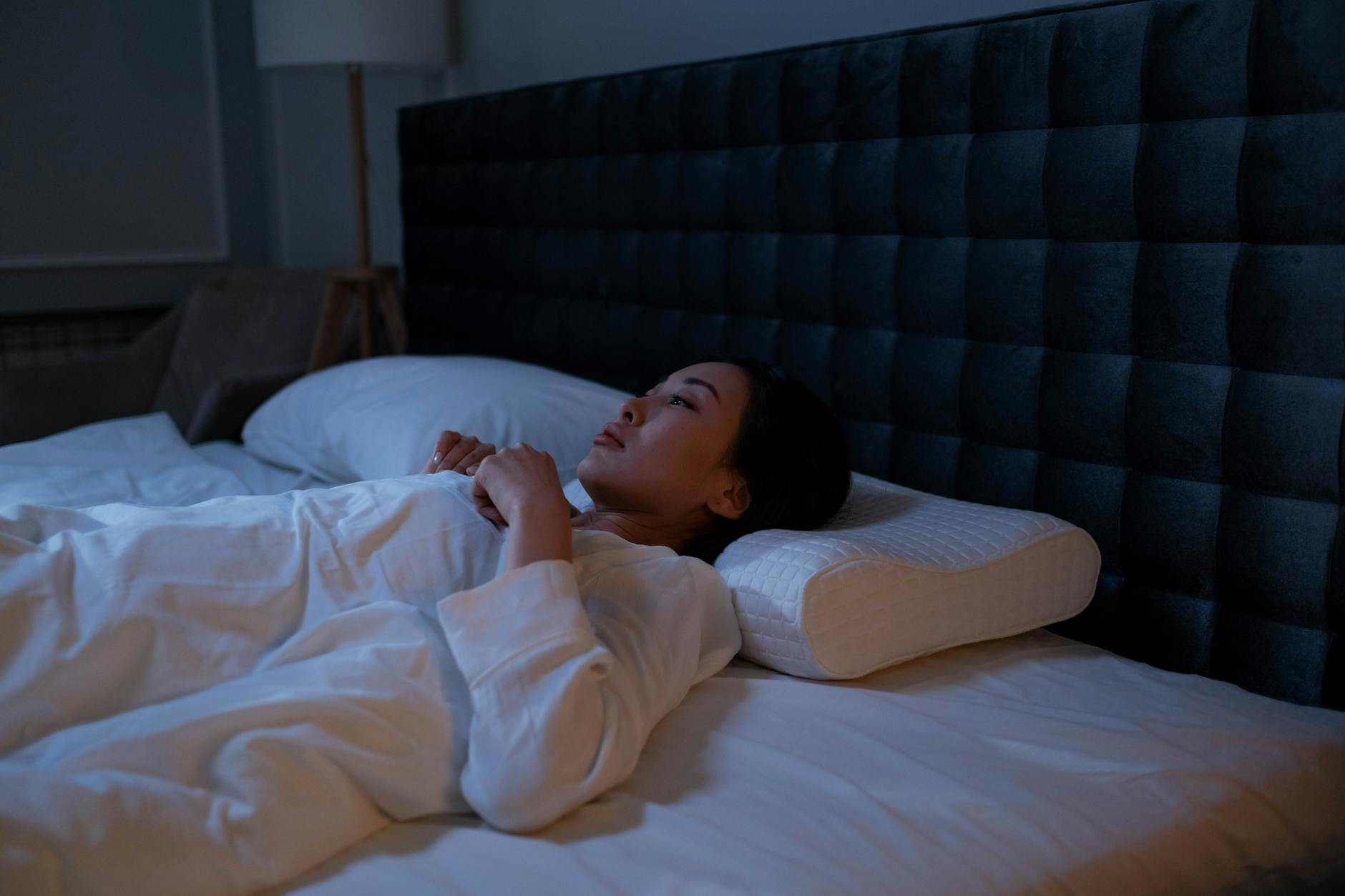
Neuropathy and Sleep: Why Nerve Pain Gets Worse at Night (And What Helps)
Neuropathy and sleep problems tend to reinforce each other in a cycle that most patients find more disabling than either issue alone. The nerve pain gets worse at night, which disrupts sleep. Poor sleep lowers the pain threshold and amplifies the nervous system’s sensitivity the next day, which makes the nerve pain worse. Understanding why this happens, and what you can do about it, requires understanding both the neuroscience of pain at night and the specific ways damaged nerves misbehave during sleep.
Key Takeaways
- Neuropathic pain worsens at night for several documented reasons: reduced distracting sensory input, lower core body temperature affecting nerve firing, cortisol dropping (removing its anti-inflammatory effect), and the supine position increasing blood pooling in extremities.
- Sleep deprivation causes central sensitization, the brain’s pain processing system becomes amplified, making all pain perception worse. This creates a self-reinforcing cycle.
- Restless legs syndrome (RLS) and periodic limb movements are significantly more common in peripheral neuropathy patients, compounding sleep disruption.
- Specific sleep hygiene and positioning strategies can meaningfully reduce nighttime neuropathy severity independent of medication.
Why Neuropathy Gets Worse at Night: The Mechanisms
Peripheral neuropathy symptoms, burning feet, tingling, electric shock sensations, are noticeably worse for most patients during the evening and at night. This is not imaginary. Several physiological mechanisms converge to amplify neuropathic pain signals after dark.
Loss of competing sensory input. During the day, the nervous system receives constant sensory information, walking, touching surfaces, ambient temperature changes. This input activates non-pain nerve fibers that compete with pain signals under the gate control theory of pain. At night, lying still in the dark removes most of this competing input, leaving pain signals without competition.
Core temperature drop. Body temperature falls in the evening as part of the sleep-wake cycle. Peripheral nerves, already sensitized by damage, respond to the temperature drop with altered firing patterns. Temperature receptors (TRPV1 and TRPM8) that share pathways with pain receptors become more reactive in cooler conditions, which helps explain why cold feet and increased burning often occur simultaneously at night.
Cortisol nadir. Cortisol, the body’s endogenous anti-inflammatory hormone, reaches its lowest levels between midnight and early morning. During the day, cortisol exerts a modest suppressive effect on inflammatory signaling in damaged nerve tissue. Overnight, that suppression is absent, inflammatory activity in and around damaged nerves runs unchecked.
Reduced blood flow redistribution. In the supine position, blood flow to the extremities can either increase or become irregular depending on vascular health. For patients with compromised circulation from diabetic vascular disease, lying flat can worsen the ischemic component of nerve symptoms.
How Poor Sleep Makes Neuropathy Pain Worse
Sleep deprivation directly amplifies pain perception through central sensitization, a process where the brain’s pain-processing circuitry becomes more reactive and generates stronger pain signals from the same peripheral nerve input. Even one night of poor sleep increases pain sensitivity in healthy individuals. For people already experiencing chronic neuropathic pain, the effect is more severe.
Specific mechanisms by which poor sleep amplifies neuropathy:
- Reduced descending pain inhibition: The brain normally sends signals down the spinal cord that dampen incoming pain. Sleep deprivation impairs this inhibitory pathway, allowing more pain signals to reach consciousness.
- Elevated inflammatory markers: Even partial sleep restriction increases systemic inflammation (IL-6, TNF-alpha, CRP). These are the same inflammatory mediators that contribute to neuropathy progression, poor sleep actively worsens the underlying disease process.
- Reduced pain catastrophizing threshold: Sleep deprivation affects prefrontal cortex function, reducing the emotional regulation capacity that modulates how much attention and distress is allocated to pain signals.
Restless Legs and Periodic Limb Movements in Neuropathy
Restless legs syndrome (RLS) and periodic limb movement disorder (PLMD) occur at significantly higher rates in peripheral neuropathy patients than the general population. RLS, the uncomfortable urge to move the legs that worsens at rest and improves with movement, shares pathophysiology with peripheral neuropathy in small fiber nerve damage affecting the legs.
Studies suggest 30–50% of peripheral neuropathy patients have comorbid RLS symptoms, compared to 5–10% of the general population. PLMD (involuntary limb jerking during sleep) is also elevated. Both conditions fragment sleep architecture, reducing time in restorative deep sleep and increasing nighttime awakenings even when the patient is not consciously aware of the limb movements.
If you find yourself frequently waking at night with an urge to move your legs, or your sleep partner reports leg movements during sleep, discuss this specifically with your physician, RLS and PLMD have their own treatment options beyond general neuropathy management.
Practical Strategies for Better Sleep with Neuropathy
| Strategy | Target Mechanism | Implementation |
|---|---|---|
| Cooling the room | Stable core temperature reduces nerve temperature reactivity | Room temperature 65–68°F; cooling mattress pad if needed |
| Lightweight bedding on feet | Reduce allodynia from weight and fabric contact | Bed cradle or tent the covers; use loose socks rather than tight compression |
| Evening magnesium | Reduces nerve excitability via NMDA receptor modulation | 300–400mg glycinate or malate 1 hour before bed |
| Cold foot soak before bed | TRPM8 activation, reduces burning signal before sleep | 10 minutes in cool (not ice cold) water; gentle towel dry |
| Consistent sleep schedule | Regulates cortisol rhythm and pain threshold pattern | Same wake time daily, including weekends |
| White noise or audio | Provides competing sensory input to reduce pain signal salience | Binaural beats, brown noise, or audiobooks at low volume |
| Elevating legs slightly | Improves venous return for circulation-related symptoms | Pillow under calves (not knees, avoids pressure); 2–4 inch elevation |
Supplements That Address Both Sleep and Nerve Pain
Certain supplements target mechanisms relevant to both sleep quality and neuropathy, which makes them particularly useful for this specific problem.
Magnesium glycinate: Magnesium reduces nerve excitability through NMDA receptor blockade (the same receptors responsible for central sensitization) and promotes sleep through GABA system support. 300–400mg of glycinate form taken in the evening is both one of the best-supported magnesium forms for nerve pain and a known sleep aid. Full details on mechanism and dosing in my magnesium for neuropathy guide.
Alpha lipoic acid: ALA’s antioxidant action reduces the oxidative stress that keeps damaged nerve fibers in a hyperactive state. While ALA doesn’t specifically promote sleep, reducing baseline nerve activity may lower the severity of nighttime symptoms. Best taken with the evening meal.
Lavender (oral or aromatherapy): Lavender’s linalool component modulates GABA-A receptors with both mild anxiolytic and analgesic effects. Research supports reduced pain perception and improved sleep quality. Aromatherapy via diffuser in the bedroom is the simplest application.
For a formula that combines multiple nerve-supportive mechanisms including antioxidant support and B vitamin replenishment, Arialief is the product in my current protocol.
Affiliate disclosure: I receive a commission if you purchase through my Arialief link. This does not affect my assessment.
When to Talk to Your Doctor About Sleep and Neuropathy
Sleep disruption from neuropathy that does not respond to conservative measures warrants a medical conversation. Options your physician may consider include: low-dose tricyclic antidepressants (amitriptyline, nortriptyline) at bedtime, which reduce neuropathic pain signaling and have sedating properties, gabapentin or pregabalin dosed more heavily in the evening when symptoms are worst, and evaluation for comorbid sleep disorders including sleep apnea (which is elevated in diabetics and independently worsens neuropathy).
Cognitive behavioral therapy for insomnia (CBT-I) has strong evidence for chronic pain-related sleep disruption and may be more effective long-term than sleep medications for this population.
Frequently Asked Questions
Why does neuropathy pain get worse at night?
Several mechanisms converge at night: competing sensory input disappears when you’re lying still, core temperature drops making temperature-sensitive nerve receptors more reactive, cortisol (which suppresses nerve inflammation during the day) reaches its nadir, and blood flow to the extremities changes in the supine position. Together these factors amplify neuropathic pain signals that may be manageable during the day.
What sleeping position is best for neuropathy?
Back sleeping with slight leg elevation (pillow under calves, not knees) is generally best for peripheral neuropathy patients, it promotes venous return and reduces pressure on affected extremities. Side sleeping can cause prolonged pressure on one side that worsens symptoms. Avoid stomach sleeping, which compresses peripheral nerves in the hips and can intensify leg and foot symptoms.
Does melatonin help with neuropathy?
Melatonin has demonstrated some analgesic and antioxidant properties in research settings, and animal studies suggest potential neuroprotective effects. For sleep specifically, 0.5–1mg of immediate-release melatonin taken 30 minutes before target sleep time can help establish sleep onset. It is not a substitute for addressing the neuropathic pain mechanisms directly but may help break the sleep deprivation cycle.
Can lack of sleep make neuropathy worse?
Yes. Sleep deprivation directly amplifies pain perception through central sensitization and increases systemic inflammation, the same inflammatory pathways that contribute to nerve damage progression. One night of poor sleep measurably increases pain sensitivity. Chronic sleep disruption accelerates the downward spiral of worsening neuropathy and worsening sleep.
Conclusion
Neuropathy and sleep disruption form one of the most self-reinforcing cycles in chronic pain medicine. Breaking it requires addressing both sides: reducing nighttime nerve pain severity through positioning, temperature management, and targeted supplements, and protecting sleep quality directly to prevent the central sensitization that amplifies pain the next day. The strategies here are not replacements for medical management, but they address real mechanisms rather than simply masking symptoms.
Related reading: natural ways to relieve neuropathy pain, best supplements for peripheral neuropathy.
Medical Disclaimer: The information in this article is for educational purposes only and does not constitute medical advice. Mark Whitfield is not a medical professional. Always consult your physician before changing your treatment regimen, especially regarding medication timing or new supplements.