
What Causes Neuropathy in Feet and Legs? 8 Root Causes Explained
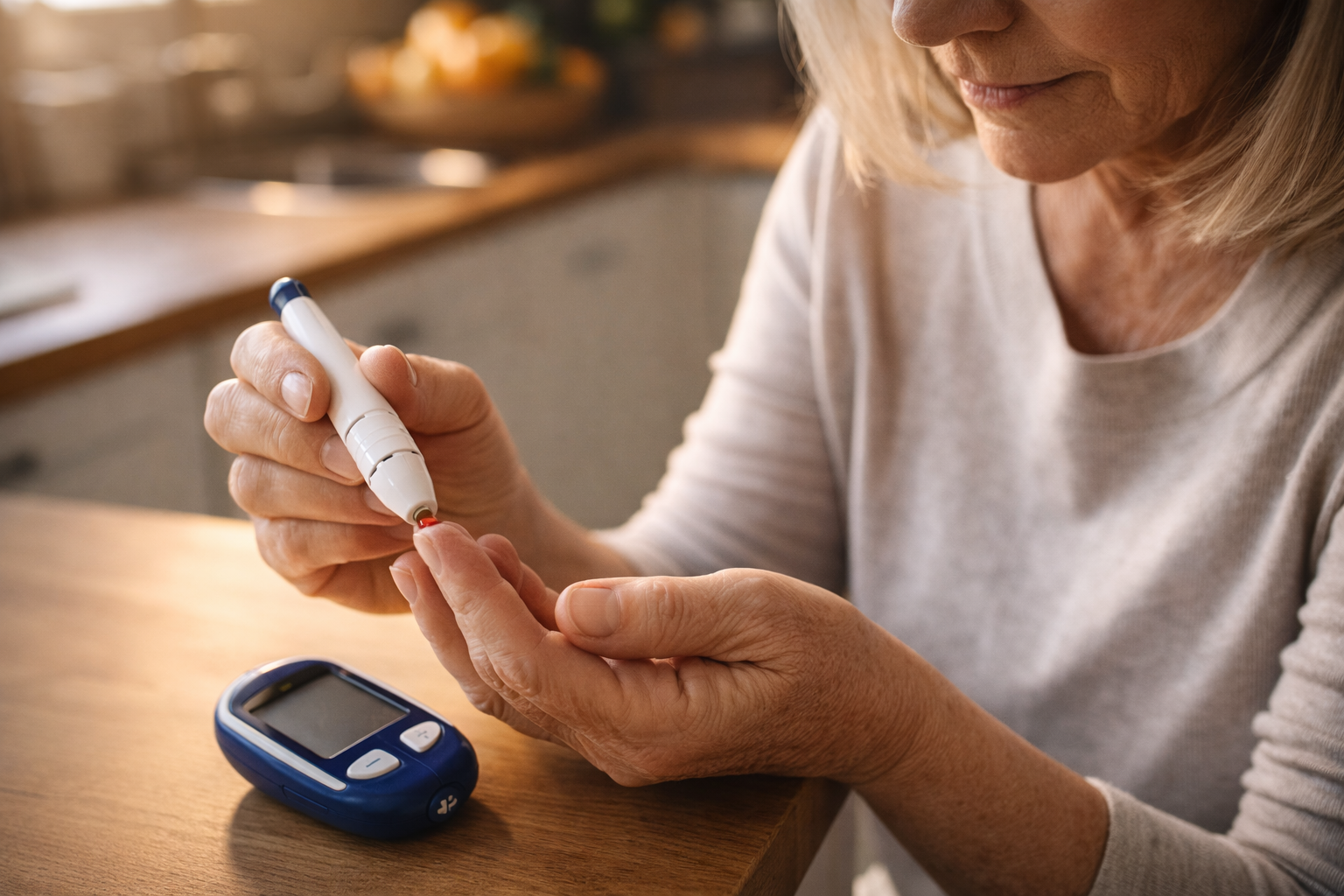
When my neurologist confirmed I had peripheral neuropathy, my first question was not what do I do about it. It was: why did this happen to me?
I had been managing type 2 diabetes for four years. I exercised. I thought I was doing everything right. But my blood sugar had been running higher than it should for longer than I realized — and that was enough. Understanding why neuropathy develops matters because the cause determines the treatment. And in some cases, addressing the root cause can slow or partially reverse the nerve damage.
More than 100 different conditions can cause peripheral neuropathy, according to the Foundation for Peripheral Neuropathy. But the vast majority of cases come from a short list of identifiable causes. This article walks through the 8 most common.
Key Takeaways
Diabetes is the leading cause of peripheral neuropathy, responsible for 60-70% of all cases (NINDS, 2024).
Up to 30% of neuropathy cases have no identifiable cause — called idiopathic neuropathy.
Many causes are treatable: addressing the root cause early can stop further nerve damage.
A full blood panel (glucose, B12, thyroid, heavy metals) is the starting point for diagnosis.
Cause 1: Diabetes — The Number One Trigger
Diabetic neuropathy is the most common form of peripheral neuropathy in the United States. According to NINDS, 60-70% of all people with diabetes will develop some form of neuropathy over their lifetime. Chronically elevated blood sugar damages the small blood vessels that supply nutrients to peripheral nerves and directly damages nerve fibers through a process called glycation — where excess glucose attaches to proteins in the nerve fiber and disrupts their function.
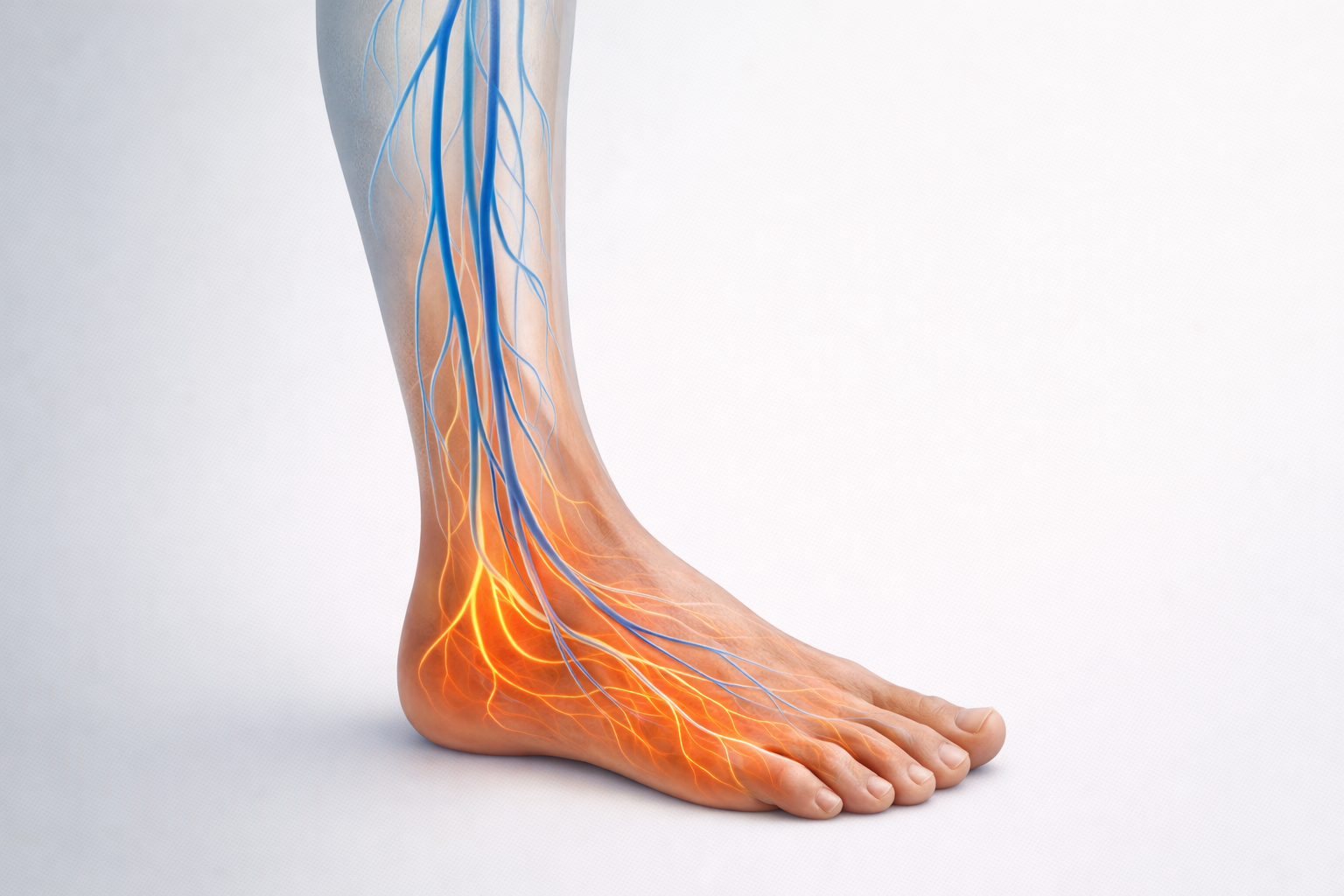
According to a 2022 systematic review in Diabetes Care, even people with prediabetes showed evidence of nerve damage. You do not have to have a formal diabetes diagnosis to have diabetes-driven nerve damage. If you have diabetes or prediabetes and experience tingling or burning in your feet, ask for a neuropathy screening now. Tighter blood sugar control is the most powerful lever you have.
Cause 2: Vitamin B12 Deficiency — The Silent Trigger Most Doctors Miss
Vitamin B12 is essential for maintaining the myelin sheath — the protective coating around nerve fibers. Without adequate B12, nerves begin to demyelinate and signals are disrupted. A 2021 meta-analysis in Nutrients found that B12 deficiency is present in up to 40% of neuropathy cases initially classified as idiopathic (unknown cause).

Two groups are at particularly high risk. People taking metformin — the most commonly prescribed diabetes drug — which blocks B12 absorption in the gut, with up to 30% of long-term users developing B12 deficiency. And adults over 50, since stomach acid production declines with age, reducing B12 absorption from food. According to Mayo Clinic, methylcobalamin (the natural form) is better absorbed and more effective than cyanocobalamin (the synthetic form in most supplements).
Cause 3: Alcohol-Induced Neuropathy
Excessive alcohol use is one of the most common and most preventable causes of peripheral neuropathy. A 2019 review in Alcohol and Alcoholism estimated that alcoholic neuropathy affects approximately 46% of chronic heavy drinkers, making it one of the most prevalent forms after diabetic neuropathy. Alcohol causes nerve damage through direct toxicity to nerve fibers and through nutritional deficiencies — particularly thiamine (B1), which is critical for nerve function.
Cause 4: Chemotherapy (CIPN)
Chemotherapy-induced peripheral neuropathy (CIPN) affects up to 68% of cancer patients receiving neurotoxic chemotherapy, according to a 2019 review in the Journal of Clinical Oncology. Commonly implicated drugs include oxaliplatin, paclitaxel, cisplatin, bortezomib, and vincristine. CIPN can be temporary or permanent. If you are undergoing chemotherapy and developing tingling or numbness, tell your oncologist immediately — dose adjustment may help.
Cause 5: Autoimmune and Inflammatory Conditions
The immune system can attack peripheral nerves directly. Guillain-Barre syndrome, CIDP (chronic inflammatory demyelinating polyneuropathy), lupus, rheumatoid arthritis, and Sjogren’s syndrome can all cause neuropathy through vasculitis or direct immune attack. According to the Foundation for Peripheral Neuropathy, immune-mediated neuropathies account for approximately 10-15% of all neuropathy cases — and they are treatable, often with corticosteroids, IVIG therapy, or immunosuppressants.
Cause 6: Hypothyroidism — The Overlooked Culprit
An underactive thyroid causes fluid retention throughout the body, including in the tissues surrounding peripheral nerves. This swelling compresses nerve fibers and disrupts their function. The American Thyroid Association estimates that 20 million Americans have some form of thyroid disease, many undiagnosed. Hypothyroid neuropathy often improves dramatically with thyroid hormone replacement therapy, making it one of the most treatable causes if identified. TSH testing should be part of the standard workup for anyone with new-onset neuropathy.
Cause 7: Physical Trauma, Compression, and Repetitive Injury
Some neuropathy cases are local rather than systemic. Carpal tunnel syndrome compresses the median nerve in the wrist. Tarsal tunnel syndrome compresses the tibial nerve behind the ankle. Herniated discs compress nerve roots in the spine, causing radiating pain and numbness in the legs. According to Mayo Clinic, nerve compression injuries are highly treatable when identified early — often with physical therapy, ergonomic changes, splinting, or surgical decompression. If your symptoms are confined to one hand or foot, compression may be the cause.
Cause 8: Toxins, Medications, and Heavy Metal Exposure
Certain medications can damage peripheral nerves: metronidazole, isoniazid, some HIV antiretrovirals, amiodarone, and fluoroquinolone antibiotics. Heavy metals — lead, mercury, and arsenic — can all cause peripheral neuropathy through occupational or environmental exposure. According to NINDS, toxic neuropathy requires identifying and eliminating the source. Drug-induced neuropathy is underdiagnosed because the connection between a new medication and new symptoms is rarely made.
What About Idiopathic Neuropathy?
Despite thorough testing, approximately 25-30% of peripheral neuropathy cases remain without a clear identifiable cause — called idiopathic neuropathy. Research from Johns Hopkins has suggested that many so-called idiopathic cases may actually be pre-diabetic neuropathy or undetected immune-mediated neuropathy, making thorough evaluation important even when initial tests come back normal.
What Tests to Ask For
If you are experiencing neuropathy symptoms, ask your doctor for this baseline blood panel: fasting glucose and HbA1c (screens for diabetes), serum B12 and methylmalonic acid (detects functional B12 deficiency), TSH (thyroid function), complete metabolic panel (kidney and liver function), CBC, serum protein electrophoresis (SPEP), and a heavy metals panel if occupational exposure is possible.
Want to understand what peripheral neuropathy actually is, the biology and the types? Read the Complete Guide to Peripheral Neuropathy. And for a deeper look at what you can do about it, see our guide on early warning signs of neuropathy.
Frequently Asked Questions
Can neuropathy be caused by stress?
Stress does not directly damage peripheral nerves, but chronic stress can worsen inflammation and impair blood sugar regulation — two factors that accelerate nerve damage in people already at risk. Stress-related tingling (from hyperventilation) can also be confused with neuropathy.
Can neuropathy develop suddenly?
Most neuropathy develops gradually over months or years. However, Guillain-Barre syndrome, severe B12 deficiency, or toxic exposures can cause neuropathy that appears quickly over days or weeks. Rapid onset neuropathy is a medical emergency requiring immediate evaluation.
Is neuropathy hereditary?
Yes — some forms are. Charcot-Marie-Tooth (CMT) disease is the most common hereditary neuropathy, affecting approximately 1 in 2,500 people worldwide (NINDS). It causes progressive muscle weakness and sensory loss in the feet and legs, typically beginning in childhood or early adulthood.
Can alcohol-related neuropathy be reversed?
Partially. If alcohol use is stopped early enough and nutritional deficiencies (especially thiamine) are corrected, some nerve function can recover. The earlier the intervention, the better the recovery. Permanent damage is more likely with long-duration heavy drinking.
The Bottom Line
Peripheral neuropathy is not one disease — it is a symptom of many. Diabetes, B12 deficiency, alcohol, autoimmune conditions, thyroid disease, physical compression, and toxin exposure are the most common causes. What matters most: getting tested early, identifying the root cause if possible, and treating it aggressively. The nervous system has limited capacity to repair itself. Every month you wait is another month of preventable damage.
— Mark Whitfield
Medical Disclaimer: Mark Whitfield is not a medical professional. This article is for educational purposes only and does not constitute medical advice. Always consult a qualified physician before making any changes to your health regimen.