
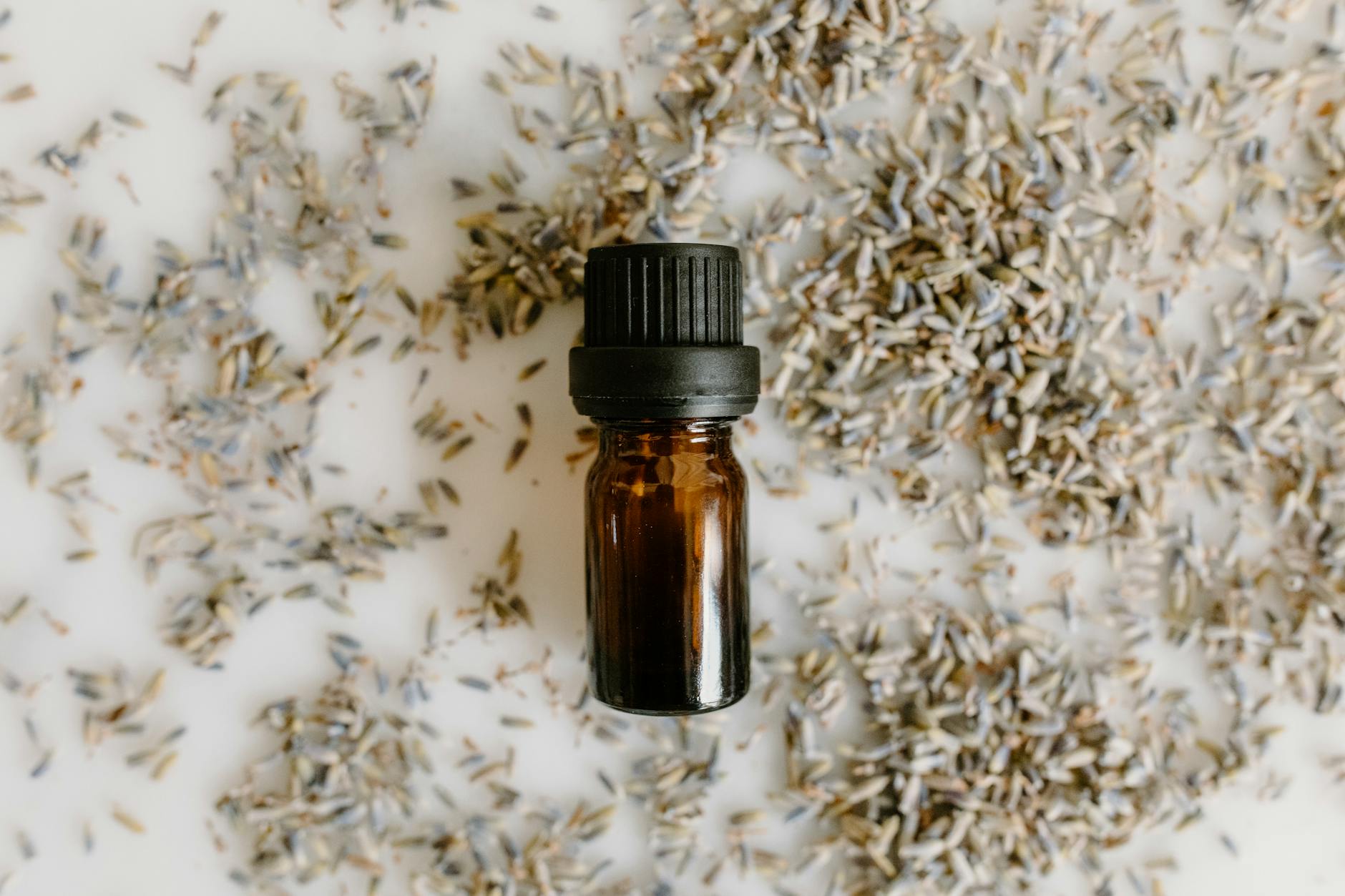
Essential Oils for Nerve Pain: Which Ones Work and How to Use Them
Essential oils come up constantly in neuropathy communities, usually with strong opinions in both directions. The skeptics say there is no real evidence. The enthusiasts share stories of dramatic relief. The truth is more nuanced than either camp suggests.
Some essential oils have documented mechanisms relevant to nerve pain. The evidence is not at the level of alpha lipoic acid or methylcobalamin, but it is not nothing either.
Key Takeaways
- Peppermint oil contains menthol, which activates TRPM8 cold receptors and produces documented analgesic effects in peripheral nerve pain (PubMed).
- Lavender oil has demonstrated pain-reducing effects in clinical studies via GABA-A receptor modulation and anti-inflammatory pathways (PubMed).
- Essential oils work on symptom relief, not nerve repair. They do not address the underlying mechanisms driving nerve damage.
- Topical application is the appropriate route for neuropathy, never ingest essential oils.
Why Some Essential Oils Affect Nerve Pain
Peripheral neuropathy pain involves overactive pain signaling in damaged nerve fibers. Some essential oil compounds interact with the receptor systems that process those signals.
Menthol, the primary active compound in peppermint oil, binds to TRPM8 receptors, the cold-sensing receptors in peripheral nerves. Activating these receptors creates a cooling sensation that competes with and partially overrides the burning and stinging signals from damaged fibers. This is the same mechanism behind menthol-containing topical pain creams, just in a more concentrated botanical form.
Lavender’s linalool component interacts with GABA-A receptors, the same calming receptor system targeted by passionflower and, at much higher potency, by benzodiazepines. This produces mild analgesic and anxiolytic effects that can reduce the perception of chronic pain.
The Best Essential Oils for Neuropathy Symptoms
Peppermint Oil
The most evidence-backed option for nerve pain specifically. A 2014 study found topical peppermint oil produced significant pain reduction in patients with chronic pruritus and neuropathic itch via TRPM8 receptor activation (PubMed). The cooling sensation from menthol provides temporary relief from burning and stinging that is one of the most distressing neuropathy symptoms. Dilute to 2 to 3% in a carrier oil before applying to feet or affected areas.
Lavender Oil
A 2012 study demonstrated lavender oil’s analgesic and anti-inflammatory effects via GABA-A receptor modulation and inhibition of inflammatory prostaglandins (PubMed). Lavender’s value for neuropathy patients extends beyond direct pain relief: improved sleep quality reduces central sensitization, meaning the nervous system’s pain amplification system runs less aggressively when sleep improves. Many neuropathy patients report the greatest benefit from lavender at night.
Frankincense (Boswellia)
Frankincense oil contains boswellic acids with documented anti-inflammatory effects, specifically inhibiting 5-lipoxygenase, an enzyme in the inflammatory pathway. Chronic inflammation contributes to neuropathy progression. Frankincense is gentler than peppermint and well-tolerated for daily use as part of a foot massage routine.
Chamomile Oil
German chamomile (Matricaria recutita) contains bisabolol and chamazulene with anti-inflammatory and mild analgesic properties. Less potent than peppermint for acute symptom relief but useful for daily gentle massage of affected areas.
Eucalyptus Oil
Eucalyptus contains 1,8-cineole, which has anti-inflammatory and mild analgesic properties. It also improves local circulation when applied topically, which matters for peripheral neuropathy where reduced blood flow to nerve tissue is a contributing factor.
How to Use Essential Oils for Neuropathy Safely
Always dilute before applying to skin. Essential oils are highly concentrated and cause skin irritation or burns when applied undiluted. The standard dilution is 2 to 3%, approximately 12 drops of essential oil per ounce (30ml) of carrier oil. Good carrier oils for neuropathy use: coconut oil (anti-inflammatory), jojoba oil (skin penetration), or sweet almond oil (gentle).
Never ingest essential oils. This is a genuine safety issue, not overcaution. Internal use can cause liver toxicity, mucous membrane damage, and drug interactions. Topical use for neuropathy symptoms is the appropriate application.
Patch test first. Apply a small amount of diluted oil to the inner forearm and wait 24 hours before using on larger areas. Diabetic patients often have reduced sensation in affected areas, use a non-affected skin area for the patch test.
Foot massage protocol: Warm the carrier oil slightly, add essential oil, and massage feet for 5 to 10 minutes before bed. The combination of massage (which improves local circulation) and the active compounds produces better results than application alone.
What Essential Oils Cannot Do
Essential oils provide symptomatic relief through receptor interactions and anti-inflammatory activity. They do not address the oxidative stress damaging nerve fibers, the B12 deficiency impairing myelin, or the magnesium deficiency amplifying pain signals through NMDA receptors. These are the mechanisms driving actual nerve damage, and they require different interventions.
For evidence-based approaches to the underlying causes, see my guide to supplements for peripheral neuropathy and the complete natural relief guide. The product that addresses the most neuropathy mechanisms simultaneously in my own protocol is Arialief.
Affiliate disclosure: I receive a commission if you purchase through my Arialief link. This does not affect my assessment.
Frequently Asked Questions
Can essential oils reverse neuropathy?
No. Essential oils provide symptomatic relief through receptor modulation and anti-inflammatory activity. They do not repair damaged nerve fibers or address the metabolic and nutritional deficiencies that drive neuropathy progression. Use them alongside, not instead of, evidence-based treatments.
How often should I apply essential oils for neuropathy?
Daily application as part of a bedtime foot massage routine is the most common protocol. The combination of physical massage and the active compounds produces better results than application alone. Consistency over weeks produces more lasting benefit than occasional use.
Are essential oils safe for diabetic feet?
Use with caution. Diabetic neuropathy reduces sensation, so skin reactions may go unnoticed. Always patch test on an area with normal sensation first. Avoid applying to broken skin, wounds, or ulcers, common complications in diabetic foot disease. Consult your physician before starting any new topical treatment if you have diabetic foot complications.
Which essential oil is best for burning feet from neuropathy?
Peppermint oil is the most effective for burning sensation specifically. The menthol activates TRPM8 cold receptors, which directly counteracts the burning signal from damaged nerve fibers. Dilute to 2 to 3% in coconut oil and massage gently into affected areas. The relief is temporary but measurable.
Conclusion
Essential oils are a legitimate supportive tool for neuropathy symptom management, not a primary treatment. Peppermint and lavender have the most relevant documented mechanisms. Use them topically, properly diluted, as part of a daily routine, and build that routine on top of a foundation that addresses the actual causes of nerve damage.
Medical Disclaimer: The information in this article is for educational purposes only and does not constitute medical advice. Mark Whitfield is not a medical professional. Always consult your physician before starting any new treatment, especially if you have diabetes or diabetic foot complications.